The Difference Between Good and Bad Backlinks: A Comprehensive Guide for Business Owners and Marketers
Rana Arslan Ahmad
7/24/20267 min read
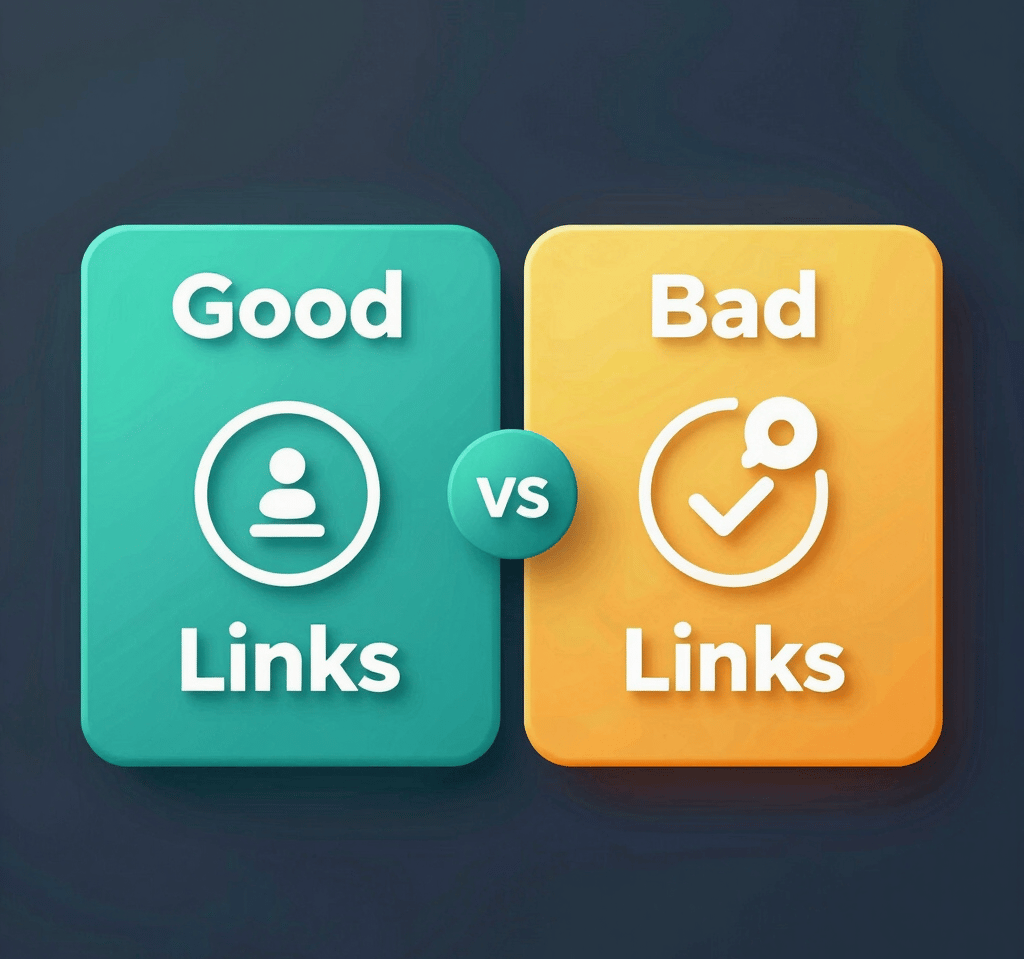
Understanding Backlinks
Backlinks, also known as inbound links or external links, are hyperlinks that direct users from one website to another. These links play a critical role in search engine optimization (SEO) by signaling to search engines that a particular site is credible and informative. Essentially, when one website links to another, it acts as a vote of confidence, implying that the linked content is valuable and authoritative.
The importance of backlinks in the realm of SEO cannot be overstated. They contribute significantly to a site’s ranking on search engine results pages (SERPs). Websites with a higher number of quality backlinks tend to rank better because search engines—like Google—interpret these links as indicators of reliability and relevance. However, not all backlinks carry the same weight; hence, distinguishing between good and bad backlinks is essential for effective SEO strategies.
There are several types of backlinks, each impacting SEO differently. Do-follow links allow search engines to follow them, passing on SEO authority and indicating that the source is credible. Conversely, no-follow links do not convey this authority, as they come with an attribute that instructs search engines not to count these links for ranking purposes. Other types of backlinks include natural links, which are awarded organically, manual outreach links, and self-created links, which are generated by the website owner.
Understanding key terms related to backlinks is crucial for business owners and marketers. Terms such as "link juice"—which refers to the value passed from one page to another through links—help in emphasizing the significance of high-quality linking practices. Additionally, anchor text, the clickable text within a hyperlink, also plays a pivotal role in SEO as it provides contextual relevance to the linked page.
Characteristics of Good Backlinks
Good backlinks are a vital element of effective SEO strategies, particularly for businesses and marketers aiming to enhance their online presence. One defining trait of a good backlink is its domain authority, which indicates the credibility and trustworthiness of the website linking to your content. Backlinks from high domain authority websites, such as established news outlets, academic institutions, or reputable industry blogs, are generally more valued by search engines like Google. This is primarily due to their established track record of providing quality content.
Another important characteristic is the relevance of the linking site to your own. Good backlinks should come from websites that are contextually related to your industry or niche. For instance, if you operate in the health sector, a backlink from a well-known health blog will carry more weight than one from an unrelated site. Google considers relevant backlinks as indicators of your website’s authority on specific topics, thereby improving your SEO rating.
Trustworthiness is also a crucial aspect when evaluating good backlinks. Links from trusted sites not only benefit your SEO but also help build your own site's credibility. For example, backlinks from globally recognized pillars like educational (.edu) or government (.gov) domains are often viewed as gold standards in link-building.
Lastly, the context in which a link appears plays a significant role. Backlinks embedded within quality content that includes relevant anchor text are likely to have a stronger impact on SEO than those found in footers or sidebars. The positive implications of acquiring good backlinks extend beyond immediate SEO benefits; they can lead to increased traffic, enhanced brand reputation, and improved Google rankings over time.
Identifying Bad Backlinks
In the world of search engine optimization (SEO), backlinks play a critical role in determining a website's authority and ranking. However, not all backlinks are beneficial. Identifying bad backlinks is essential for maintaining your site’s credibility and improving its rankings. Bad backlinks are typically links from spammy or low-quality websites that can harm your domain's reputation.
One of the major types of toxic backlinks is spam backlinks. These links are often created by automated tools that generate links en masse from unrelated or low-quality sites. They do not add any value to your website and can even trigger penalties from search engines. Essentially, a spam backlink results from a manipulative strategy to artificially boost link volume without any regard for relevance or quality.
Another characteristic of bad backlinks is a lack of relevance to your business niche. For instance, if a travel agency receives backlinks from a website focused on canine grooming, these links are unlikely to provide any SEO benefit and might be viewed negatively by search engines. The context in which backlinks are placed matters significantly, therefore, links from unrelated fields should be approached with caution.
The implications of having bad backlinks reflect directly on your digital marketing efforts. Not only can they lead to lower rankings in search results, resulting in decreased visibility, but they may also deter potential customers who come across negative signals associated with your site. Furthermore, Google regularly updates its algorithms to improve user experience, meaning that websites with a high number of toxic backlinks may suffer from substantial ranking drops. Identifying and disavowing these bad backlinks promptly is crucial for safeguarding your online reputation.
White-Hat vs Black-Hat Link Building
Link building is a critical component in the realm of Search Engine Optimization (SEO), yet the methods employed can significantly influence the long-term viability of a website's presence in search engine results. Link building strategies generally fall into two primary categories: white-hat and black-hat. Understanding the distinction between these two approaches is essential for business owners and marketers aiming to bolster their online reputation without incurring penalties from search engines.
White-hat link building adheres to established SEO guidelines and ethical standards. Practitioners of this method focus on creating high-quality content that naturally earns backlinks from reputable sites. Techniques may include guest blogging on industry-related websites, collaborating with influencers, and fostering genuine relationships within the business community. These practices not only enhance credibility but also drive organic traffic in a sustainable manner. As a long-term strategy, white-hat methods contribute to building a brand's authority and improving its search engine rankings without the risk of penalties.
Conversely, black-hat link building encompasses a range of tactics that violate search engine guidelines. These practices include buying links, participating in link farms, and employing spammy outreach techniques. While black-hat strategies may yield quick results, they pose significant risks, as search engines continually update their algorithms to combat such unethical practices. Consequently, websites utilizing these methods may face devaluation or even complete removal from search engine indexation, undermining their online efforts.
In summary, the choice between white-hat and black-hat link building strategies can profoundly impact a business's digital footprint. By prioritizing ethical link-building practices, marketers can cultivate a robust online presence that withstands the test of time and the scrutiny of search engine algorithms.
Google's Approach to Link Quality
Google's evaluation of backlinks is a significant aspect of its search engine optimization (SEO) strategy. It employs complex algorithms to assess both the quantity and quality of links directing to a website. Over the years, various updates to Google's algorithms, such as Panda and Penguin, have refined how link quality is evaluated, emphasizing the importance of quality over quantity.
When determining a backlink's value, Google considers numerous ranking factors. The authority of the linking site, relevance to the content, and the placement of the link are some of the critical elements. For example, a link from a well-established, reputable site in the same industry holds more weight than a link from an obscure or unrelated website. This focus on high-quality links plays a crucial role in determining a website's visibility in search engine results pages (SERPs).
The influence of backlinks on organic traffic cannot be overstated. Quality backlinks drive not only higher domain authority but also contribute to increased traffic referrals. Businesses understanding that not all backlinks are created equal can better tailor their link-building strategies to foster genuine SEO growth. Google's stance on manipulative SEO practices further underscores this notion; the search engine actively penalizes websites that engage in black-hat techniques such as link farming or buying backlinks.
As such, it is paramount for business owners and marketers to focus on building high-quality backlinks through ethical methods—such as creating valuable content that naturally attracts links, engaging in community outreach, and forming partnerships with other credible websites. Ultimately, fostering a network of quality backlinks is essential for sustained online visibility and success in the competitive digital landscape.
Identifying and Managing Toxic Backlinks
Backlinks can significantly influence the prominence of a website in search engine rankings. However, not all backlinks contribute positively to a site's SEO; in fact, some can be detrimental. To distinguish between valuable and toxic backlinks, business owners and marketers can employ various tools and techniques to audit their backlink profiles effectively.
To begin with, tools such as Ahrefs, SEMrush, and Moz provide comprehensive insights into backlink profiles. These platforms allow users to analyze domain authority, the types of links, and the quality of the linking sites. A common approach is to check the following factors: a site’s relevance to your own niche, its domain authority, and whether it has a history of spammy links. If a backlink originates from low-quality, irrelevant, or suspicious sites, it is likely toxic and can harm your SEO performance.
Once toxic backlinks are identified, website owners must decide whether to remove or disavow them. Removal entails contacting the site hosting the toxic link and requesting that it be taken down. This method is often preferred but can be challenging and time-consuming. Alternatively, utilizing Google’s Disavow Tool allows site owners to inform Google of harmful links they do not wish to associate with their site. This is particularly useful when removal is not feasible. However, it should be noted that disavowing a link can take some time to impact search visibility.
Ultimately, managing toxic backlinks is vital for maintaining a healthy backlink profile that positively influences a website’s ranking on search engines. Regular audits and prompt actions against harmful links can prevent long-term detrimental effects, safeguarding the site’s reputation and visibility in search engine results.
Best Practices for Earning Quality Backlinks
Acquiring quality backlinks is a fundamental aspect of improving a website's search engine optimization (SEO) and overall online presence. To effectively earn these backlinks, business owners and marketers should consider employing various actionable strategies that emphasize quality over quantity. One effective method is guest posting, which involves writing articles for reputable websites within your niche. This not only allows for the insertion of backlinks to your site but also establishes you as an authority in your field. Ensure that the websites you target for guest posts have a strong domain authority and share similar audience interests.
Another significant tactic is content marketing. By creating high-quality, valuable content such as infographics, whitepapers, or comprehensive guides that address specific audience needs, you increase the likelihood of others linking to your content. Promote this content through social media channels and relevant online communities to enhance visibility. Utilizing tools like outreach emails to contact webmasters or influencers in your industry can also support backlink acquisition, as a well-structured proposal can lead to collaborative opportunities.
Maintaining a healthy backlink profile is equally essential for long-term success. Regularly audit your backlinks to identify any low-quality or toxic links that could potentially harm your site's reputation and SEO ranking. Use tools to analyze your backlink profile and ensure it remains diverse and predominantly consists of high-quality sources. Understanding future trends in backlink evaluation is also crucial. As search engines evolve, they increasingly favor organic link-building practices over manipulative techniques. Hence, focus on fostering genuine relationships with industry peers and participating authentically in your niche's online conversations.
By implementing these best practices, business owners and marketers can effectively earn quality backlinks that will enhance their online presence, ultimately leading to increased traffic and improved search engine rankings.
Driving top-tier growth and performance audits.
Algorithmic precision. Editorial-grade tech journalism and pipeline automation.
RESOURCES
Home
Blog
Services
Resources
About
Contact
PARTNER WITH US
arslan@srinza.com
San Francisco, CA & Remote
Response within 12 hours
© 2026 A Driving top-tier growth and performance audits.-Certified GoHighLevel and SEO execution.
ALGORITHMIC PRECISION